

×

Bee & Wasp Exterminator in Las Vegas, NV

At Fortified Pest Management, we provide residential bee and wasp control in Las Vegas with responsive service and targeted treatment and removal plans designed around your home's unique conditions.

Bee and wasp activity can create problems both around the exterior of your property and within the structure itself. Our team evaluates each situation individually and recommends the appropriate approach based on the type of activity, where it's occurring, and the conditions around your home

  • 13 years
  • BBB Accredited
  • HomeAdvisor Elite Service
  • Google Guaranteed
  • 365-Day

Common Bee & Wasp Hotspots Affecting Las Vegas Homes

Las Vegas properties can attract bee and wasp activity during the warmer months due to accessible shelter, water sources, frequent irrigation, and outdoor structural eaves. Even small architectural gaps or hidden wall voids can create opportunities for colonies to build nests, reproduce, and spread throughout your yard. Identifying these stinging insect pressures early helps prevent minor activity from turning into a massive safety hazard for your family.


While Las Vegas is known for its dry desert climate, bees and wasps still thrive anywhere consistent water and nesting structures exist. From patio misting systems to rooflines, even small shaded alcoves can hold enough protection for a rapidly growing colony. When these conditions align, seeking professional bee control in Las Vegas becomes essential to safely secure your property.


High-Risk Nesting Areas

Our technicians thoroughly inspect several common areas to identify and target activity.

Roofline Eaves, Soffits & Fascia Boards

Exterior roof structures can provide protected spaces where bees and wasps build nests away from regular activity.

Under Decks, Patio Covers & Porch Ceilings

Covered outdoor areas provide shade and shelter that can attract stinging insects looking for protected nesting locations.

Ground Cavities, Landscape Blocks & Retaining Walls

Small gaps in landscaping features and ground-level structures can create hidden nesting areas for bees and wasps.

Water Features, Pool Edges & Irrigation Boxes

Accessible water sources around pools, fountains, and irrigation systems can attract stinging insects to your property.

Attics, Wall Voids & Unsealed Structural Vents

Hidden openings and enclosed spaces can provide ideal conditions for colonies to establish and expand.

Barbecue Grills & Outdoor Utility Boxes

Outdoor equipment and utility areas can offer shelter and attract bee and wasp activity around frequently used spaces.

All-Inclusive Pest Prevention Program

For more than 13 years, Fortified Pest Management has helped Las Vegas homeowners protect their properties through a prevention-first approach designed to reduce pest pressure, address risk factors, and provide long-term peace of mind without relying on routine interior treatments.

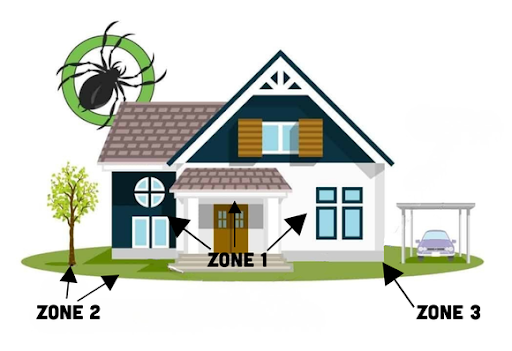
House Diagram For Pest Control
Zone 1 – Web Removal & Monitoring
• Remove spiderwebs from windows, eaves, recessed lighting, sprinkler boxes, bushes, and other common pest harborage areas
• Check and replace rodent bait stations around the property where applicable
‍
Zone 2 – Granular Application
• Granular treatments applied in moisture and landscape areas to target ground-level pest activity
‍
Zone 3 – Exterior Foundation & Perimeter Treatment
• Professional exterior treatment applied along the foundation and structural perimeter of the home
Header Calendar Icons

(702) 879-4007

Signs Your Yard May Have a Bee or Wasp Problem

Early warning signs are often easiest to spot around the areas stinging insects use for building nests, foraging, and shelter. For residential properties, that often means shaded landscaping, structural corners, and near exterior water sources. Catching these signs early can help prevent a small problem from developing into a larger stinging-insect issue around your home.

Key indicators to watch for:

Frequent swarms or high flight traffic concentrated around a specific structural gap

Increased activity near pool water, birdbaths, or outdoor misting systems

Audible buzzing or scratching sounds coming from inside walls or attic spaces

Repeated disruptions to outdoor gatherings, lawn care, and family barbecues

Protecting Your Family and Pets From Bees and Wasps

Bee and wasp activity around a home can become more than a nuisance, especially when nests or colonies are established near entryways, patios, pools, play areas, or other frequently used spaces. Depending on the species and location, these situations can increase the risk of painful stings, allergic reactions, defensive colony behavior, and make parts of the property difficult to comfortably use.

Our approach starts with evaluating the type of stinging insect, where the activity is occurring, and the conditions around the property. From there, we can determine the appropriate treatment, nest removal, or honey bee relocation option when practical, while also identifying structural or environmental conditions that may contribute to future activity.

Our Bee & Wasp Treatment Approach

Thorough checks of rooflines, structures, landscaping, and other areas to identify active nests, colonies, and potential entry points.

Honey bee relocation may be considered when the location, colony, and surrounding conditions make relocation a practical option. This is evaluated on a case-by-case basis and is not appropriate for every situation.

Targeted treatment and physical nest removal are selected based on the type of stinging insect, nest location, colony activity, and the specific conditions of the situation.

Identifying and recommending the sealing of cracks, gaps, and other structural openings that may allow stinging insects to establish colonies inside walls or other protected areas.

Prompt service options for active bee and wasp situations because stinging insects can create an immediate safety concern around frequently used areas of the property.

Reasons to Address Bee & Wasp Activity

01
Increased risk of painful stings to family members, guests, and pets
02
Potentially severe or life-threatening allergic reactions
03
Aggressive swarm/colony behavior, particularly with Africanized honey bees
04
Structural problems from colonies established inside walls or other structural areas
05
Inability to comfortably use pools, patios, yards, and other outdoor living spaces

Protecting Your Family and Pets From Stings

Bees and wasps are more than an outdoor nuisance. For Las Vegas homeowners, ongoing stinging insect activity can directly affect the comfort, safety, and usability of the spaces your family enjoys the most, including backyards, patios, pool areas, and entryways.

When bee or wasp activity is not addressed quickly, it can lead to:

Frequently Asked Questions: Bee Control in Las Vegas

Have questions about keeping your Las Vegas home safe from stinging insects? We have answers.

They certainly can be. Stinging insects will defend their colonies and sting pets or humans when they feel threatened. They are highly sensitive to movement, loud noises, and vibrations (such as lawnmowers or weed eaters). While individual honey bees are typically docile unless provoked, species like yellow jackets or Africanized honey bees are notoriously territorial and can attack in large, dangerous swarms.

While they look incredibly similar and share basic biological traits, Africanized honey bees (often called "killer bees") are much more defensive and antagonistic than standard honey bees. They respond to disturbances more quickly, chase targets over longer distances, and attack in significantly larger numbers. Because it is difficult to tell them apart visually, any swarming behavior should be evaluated by a trained professional.

Use this to explain our 365-Day Pest-Free Guarantee and how bee and wasp coverage applies through our All-Inclusive Pest Prevention Program.

Honey bee colonies can sometimes be removed and relocated rather than eliminated, depending on the location and accessibility of the colony. Relocation can be a delicate and labor-intensive process because the queen must be located and protected for the colony to remain viable. If the queen is injured or lost during removal, the colony may not survive. Wasps are handled differently and are typically treated before the nest is removed rather than relocated.